
tinted glass colors
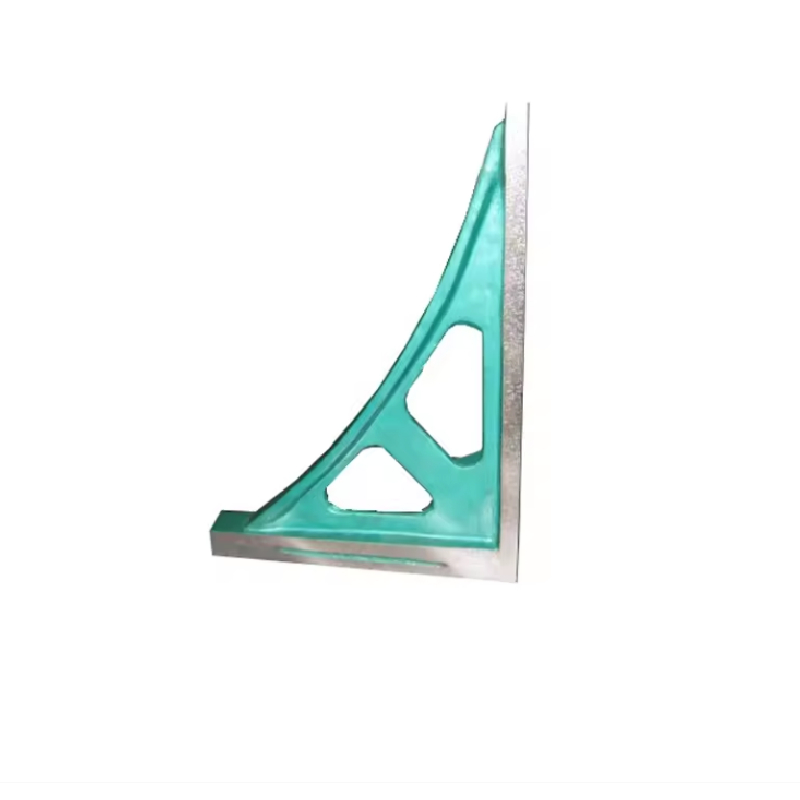
The Utility of a Six-Sided Aluminum Alloy Angle Measuring Tool In various fields such as construction, woodworking, and metalworking, precision is paramount. One of the most essential tools for ensuring accuracy in angles is the six-sided aluminum alloy angle measuring tool. This versatile instrument is not only designed for utmost precision but is also built to withstand the rigorous demands of professional environments. The six-sided aluminum alloy angle measuring tool, often referred to as a protractor or angle finder, is an innovative solution for measuring and marking angles accurately. What sets this tool apart is its construction from aluminum alloy, which provides both durability and lightweight properties . This combination makes it ideal for both on-site projects and detailed workshop work, where handling tools can be cumbersome over extended periods. One of the key advantages of using an aluminum alloy tool is resistance to corrosion. Unlike steel, which may rust when exposed to moisture, aluminum alloy maintains its integrity under various environmental conditions. This ensures longevity and reliability, essential traits for any measuring tool. The six-sided design allows users to measure angles in a variety of setups, accommodating everything from simple cuts to complex joints. Accuracy in measuring angles is critical; even a slight deviation can result in fitting issues or structural weaknesses. The six-sided measuring tool provides distinct markings on each edge, representing different angles, often ranging from 0° to 180°. Users can quickly align the tool with the edge of the material, ensuring that measurements are precise and consistent. This design minimizes the chances of human error, which can occur when trying to measure angles freehand or using less sophisticated tools. six sided aluminum alloy angle measuring tool Moreover, the lightweight nature of aluminum alloy means that the tool is easy to handle. Craftsmen and tradespeople can carry it alongside other tools without adding significant weight to their toolkit. Its ergonomic design makes it comfortable to use, allowing for prolonged periods of work without causing fatigue. This is a crucial feature for professionals who need to maintain efficiency throughout the day. In addition to its practical features, the six-sided aluminum alloy angle measuring tool is often equipped with additional functionalities. Some models include laser guides or built-in levels, further enhancing their utility. These features allow for marking and aligning angles more efficiently, which can significantly improve workflow and productivity. The versatile application of this tool extends beyond traditional woodworking. In metal fabrication, for example, the precision of angle measurements plays a crucial role in joining materials through welding or bolting. Engineers and architects also rely on accurate angle measurements to ensure that their designs meet structural and aesthetic requirements. In summary, the six-sided aluminum alloy angle measuring tool is a formidable asset in any professional's toolkit. Its durable construction, lightweight nature, and high degree of accuracy make it an essential companion for a diverse range of projects. Whether one is a craftsman, engineer, or a DIY enthusiast, investing in this measuring tool translates to improved precision in work and greater overall quality in the finished outcomes. In today's fast-paced environment, a reliable angle measuring tool is not just an option; it is a necessity for anyone striving for excellence in their trade.
about
tinted glass colors
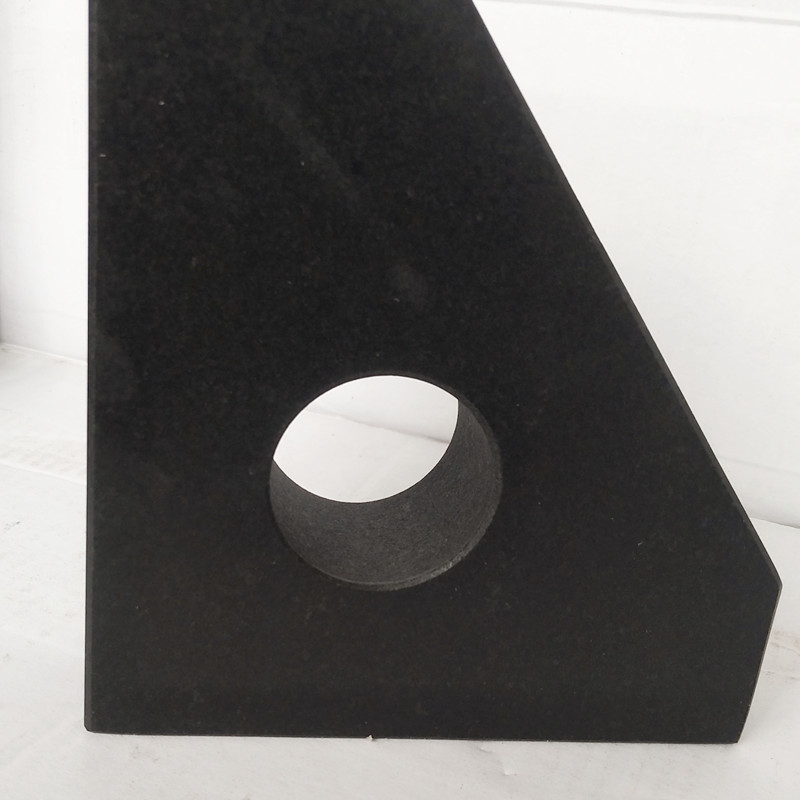
The Importance of the Inspection Ruler in Quality Control In any manufacturing or production environment, maintaining high standards of quality is critical to ensuring customer satisfaction and operational efficiency. One of the essential tools used in quality control is the inspection ruler. While seemingly simple, the inspection ruler plays a vital role in various industries, helping businesses uphold their commitment to producing high-quality products. What is an Inspection Ruler? An inspection ruler is a measuring tool used to check the dimensions and tolerances of parts, components, and assemblies. Typically made from durable materials, such as stainless steel or aluminum, it features precise markings that allow users to measure lengths, widths, and heights accurately. Inspection rulers often come with additional features such as angle measurement, levels, and even built-in calipers for enhanced versatility. Applications of the Inspection Ruler The inspection ruler is ubiquitous across a wide range of sectors, including manufacturing, construction, woodworking, and electronics. In manufacturing plants, inspectors use rulers to verify that components meet specified dimensions before they proceed to the next stage of production. This evaluation is crucial, as any deviation from the required specifications can lead to assembly issues or product failures down the line. In construction, the inspection ruler assists contractors in measuring distances and ensuring that structures are built according to design specifications. Architects and engineers depend on accurate measurements to bring their designs to life, making the inspection ruler an indispensable tool on job sites. Similarly, in woodworking, artisans utilize inspection rulers to create fine furniture and intricate designs . Precise measurements are essential to ensure that parts fit together seamlessly, allowing for both functional performance and aesthetic appeal. Benefits of Using an Inspection Ruler inspection ruler 1. Accuracy The primary advantage of using an inspection ruler is its ability to provide precise measurement. This accuracy is crucial in ensuring that each component aligns with design specifications, thus reducing the likelihood of defects. 2. Versatility Inspection rulers can be employed in various applications, making them a versatile addition to any toolkit. Their design typically allows them to measure both linear dimensions and angles, accommodating different needs in the field. 3. Ease of Use Unlike digital measuring tools, inspection rulers are easy to use and require no batteries or complex setups. Users can quickly measure and mark dimensions, streamlining the inspection process. 4. Cost-Effectiveness Inspection rulers are relatively inexpensive compared to other measurement tools. Their durability and reliability make them a cost-effective solution for businesses looking to maintain quality without breaking the bank. 5. Training and Accessibility New employees can be trained quickly on how to use an inspection ruler, minimizing downtime and enhancing productivity. Their simplicity makes them accessible to individuals across various skill levels. Conclusion The inspection ruler, while often overlooked in the grand tapestry of manufacturing and quality control, embodies the principles of precision, efficiency, and reliability. By employing this simple yet effective tool, businesses can uphold their standards, reduce waste, and foster a culture of continuous improvement. In a world where customer expectations continue to rise, the significance of maintaining quality cannot be overstated. The inspection ruler, with its myriad applications and benefits, remains a cornerstone in the quest for excellence in production and craftsmanship. Ultimately, as industries continue to evolve and technology advances, the fundamental need for accurate measurement will persist. It is tools like the inspection ruler that serve as the backbone of quality assurance, ensuring that products not only meet specifications but also embody the integrity and craftsmanship that consumers expect. From the factory floor to the construction site, the inspection ruler is an indispensable ally in the pursuit of quality.
-

High quality industrial productsagement

High quality industrial products
View Details -

Meet the diverse needs of customers

Meet the diverse needs of customers
View Details -

Strict quality control

Strict quality control
View Details -

Top raw materials

Top raw materials
View Details -

Trusted supplier

Trusted supplier
View Details
Our application
news and information
Wood Frame Truss Nail Plate Solutions _ High-Quality Structural Components
Understanding Wood Frame Truss Nail Plates Wood frame construction is a prevalent method in building

which way turn water valve off
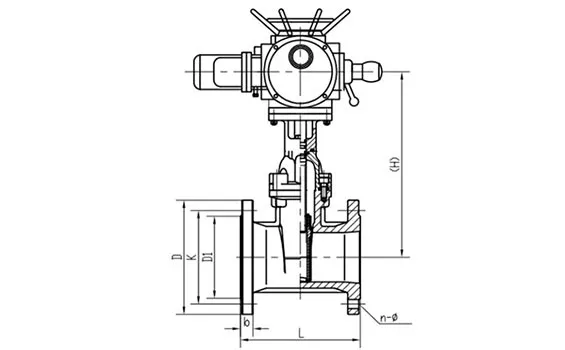
How to Turn Off a Water Valve A Step-by-Step Guide Understanding how to turn off a water valve is an
welding workbench
The Welding Workbench Essential Equipment for Metal Fabrication Welding is a fundamental process in
 English